
Different Types of Belt Conveyor Rollers Explained
By:Admin
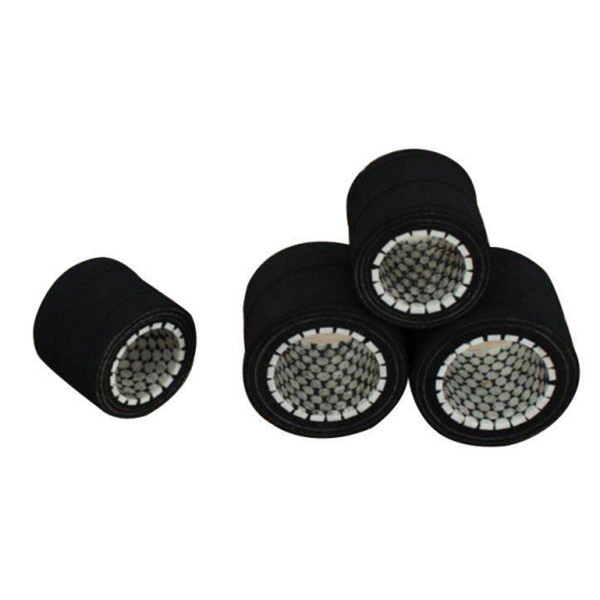
In the fast-evolving world of industrial material handling, belt conveyors remain a cornerstone technology, streamlining the transport of bulk materials across various sectors such as mining, manufacturing, and logistics. A critical component of these systems is the conveyor roller, which not only supports the conveyor belt but also ensures smooth, efficient operation. As industries strive for greater efficiency and reliability, understanding the different types of belt conveyor rollers becomes essential.
### The Importance of Conveyor Rollers
Conveyor rollers reduce friction and support the conveyor belt as it moves materials. They maintain the belt’s alignment and bear the weight of conveyed goods, thus playing a crucial role in the overall durability and performance of the conveyor system. Selecting the appropriate roller type can result in lower maintenance costs, increased lifespan, and improved throughput.
### Types of Belt Conveyor Rollers
Conveyor rollers vary primarily based on their design, construction materials, and intended application. Below are the most commonly used types:
#### 1. **Carrying Rollers**
Also known as support rollers, carrying rollers are positioned along the length of the conveyor and are designed to carry the load of the belt and the material. Generally, these rollers have a straight tubular design and rotate on fixed shafts.
**Key Features:**
- Positioned at intervals to support the belt.
- Typically have a diameter ranging from 50 mm to 75 mm.
- Designed to minimize wear and resist heavy load pressure.
#### 2. **Return Rollers**
Located on the return side (underside) of the conveyor belt, return rollers support the belt as it moves back after unloading. These rollers prevent sagging and help maintain belt tension.
**Key Features:**
- Typically smaller in diameter compared to carrying rollers.
- Positioned to maintain belt alignment.
- Help reduce friction by facilitating smooth belt return.
#### 3. **Impact Rollers**
Impact rollers are designed to withstand heavy impact loads and are often placed at loading points where bulk materials are fed onto the conveyor belt. These rollers absorb shocks from large material loads, protecting the belt from damage.
**Key Features:**
- Have a robust construction.
- Usually fitted with rubber lagging or cushioning material.
- Help reduce belt wear and tear at loading zones.
#### 4. **Drive Rollers**
Driving rollers are connected to the power source and help in moving the conveyor belt along its path. They provide the necessary friction to move the belt and its material load.
**Key Features:**
- Typically located at the head or tail of the conveyor.
- Designed for high torque and heavy load transfer.
- Often have a lagged surface for better grip.
#### 5. **Belt Cleaning Rollers**
These rollers assist in cleaning the belt by supporting belt cleaners or scrapers, ensuring that residual material is removed from the belt surface and preventing carryback.
**Key Features:**
- Positioned strategically after the discharge point.
- Help maintain cleaner working environments.
- Contribute to reducing material loss and equipment wear.
### Selecting the Right Roller Types for Your Conveyor
Choosing the right conveyor roller types depends on various factors, including the nature of the materials conveyed, the environmental conditions, and the design of the conveyor system. Here are some considerations:
- **Material Type:** Abrasive or heavy materials require impact rollers with cushioning.
- **Conveyor Length and Load:** Longer conveyors with heavy loads demand sturdy carrying and drive rollers.
- **Environmental Exposure:** Outdoor conveyors might need corrosion-resistant rollers made from stainless steel or coated materials.
- **Operational Speed:** High-speed conveyors need rollers with precision bearings for smooth performance.
### Company Introduction
As a leading manufacturer and supplier of conveyor components, our company has pioneered innovations in roller technology, delivering customized and standard solutions tailored to meet the diverse needs of industries worldwide. Leveraging state-of-the-art manufacturing facilities and stringent quality control protocols, we ensure every conveyor roller provides optimal performance and reliability.
Our expansive product portfolio encompasses all roller types mentioned above, available in various sizes, materials, and configurations. We pride ourselves on offering solutions that extend conveyor life, improve safety, and reduce operational costs. Our technical team also offers expert guidance in selecting and maintaining conveyor rollers, ensuring clients achieve maximum system efficiency.
### Advancements in Conveyor Roller Technology
Recent advancements have introduced features such as:
- **Sealed Precision Bearings:** To enhance durability and reduce maintenance.
- **Corrosion-Resistant Coatings:** For use in harsh environmental conditions.
- **Noise-Reduction Designs:** For quieter operation in urban or indoor settings.
- **Energy-Efficient Rollers:** Developed to minimize power consumption by reducing friction.
### Conclusion
Belt conveyor rollers are the unsung heroes of material handling systems. Selecting the correct roller types and specifications plays a vital role in enhancing conveyor system efficiency, reducing downtime, and extending the life of both the belt and the machinery. As industries continue to grow and automation becomes more prevalent, investing in high-quality conveyor rollers and regular maintenance practices will contribute significantly to operational success.
For businesses seeking reliable conveyor roller solutions, partnering with an experienced manufacturer ensures access to professional technical support, customized products, and ongoing service excellence — all critical components in maintaining a competitive edge in today’s dynamic industrial landscape.